



Stop adding water to an overflowing fixture
If the toilet bowl is rising, do not keep flushing to see whether it clears. Stop using a sink or shower that is backing up. Keep the affected area clear and tell your engineer if wastewater is escaping.
Is it one fixture or several?
Make a note of whether the issue affects just one toilet or sink, or several fixtures. Mention any gurgling, unusual smells or water appearing somewhere else when another appliance drains. These details help an engineer decide what to inspect; they do not establish the cause on their own.
Tell us what has already been tried
Let us know if you have used a plunger, dismantled a trap or added a drain-cleaning product. Keep the product packaging available and never mix cleaning chemicals. Avoid opening inspection chambers or using powered drain equipment yourself.
What happens during a drainage visit?
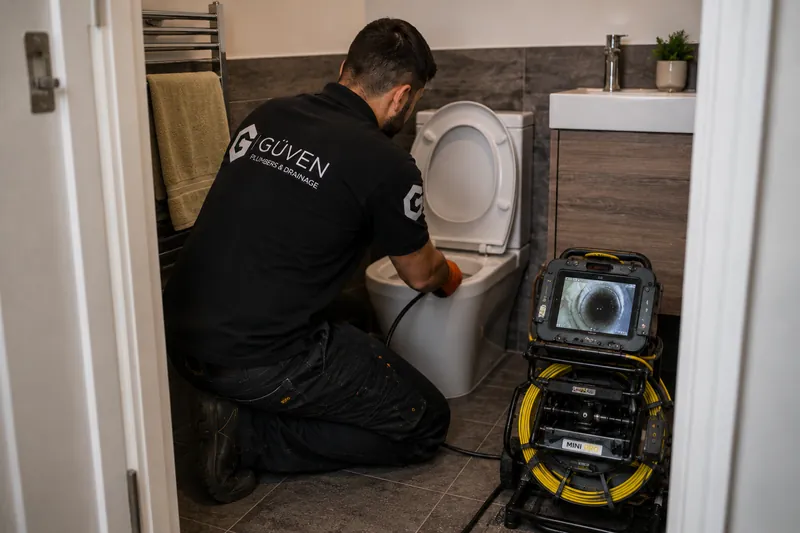
We assess the symptoms and access, explain the next step and discuss the price before work begins. The appropriate method depends on the blockage and the pipework. If a problem keeps returning, we may recommend further investigation, such as a CCTV drain survey, rather than repeatedly clearing the same symptom.
Reduce the chance of another blockage
Put wipes and sanitary products in the bin. Keep cooking fats, oils, food scraps and coffee grounds out of the sink; wipe greasy pans before washing them. Toilet paper is designed for the toilet, while wipes can contribute to blockages even when labelled flushable. Southern Water has more guidance on preventing blockages.
Ready to arrange a visit?
Tell us your postcode, what is blocked, how long it has been happening and whether there is an overflow. For urgent problems, call 07719 522450. For a planned visit, Book a slot. We will confirm availability and the appointment details with you.